Objective
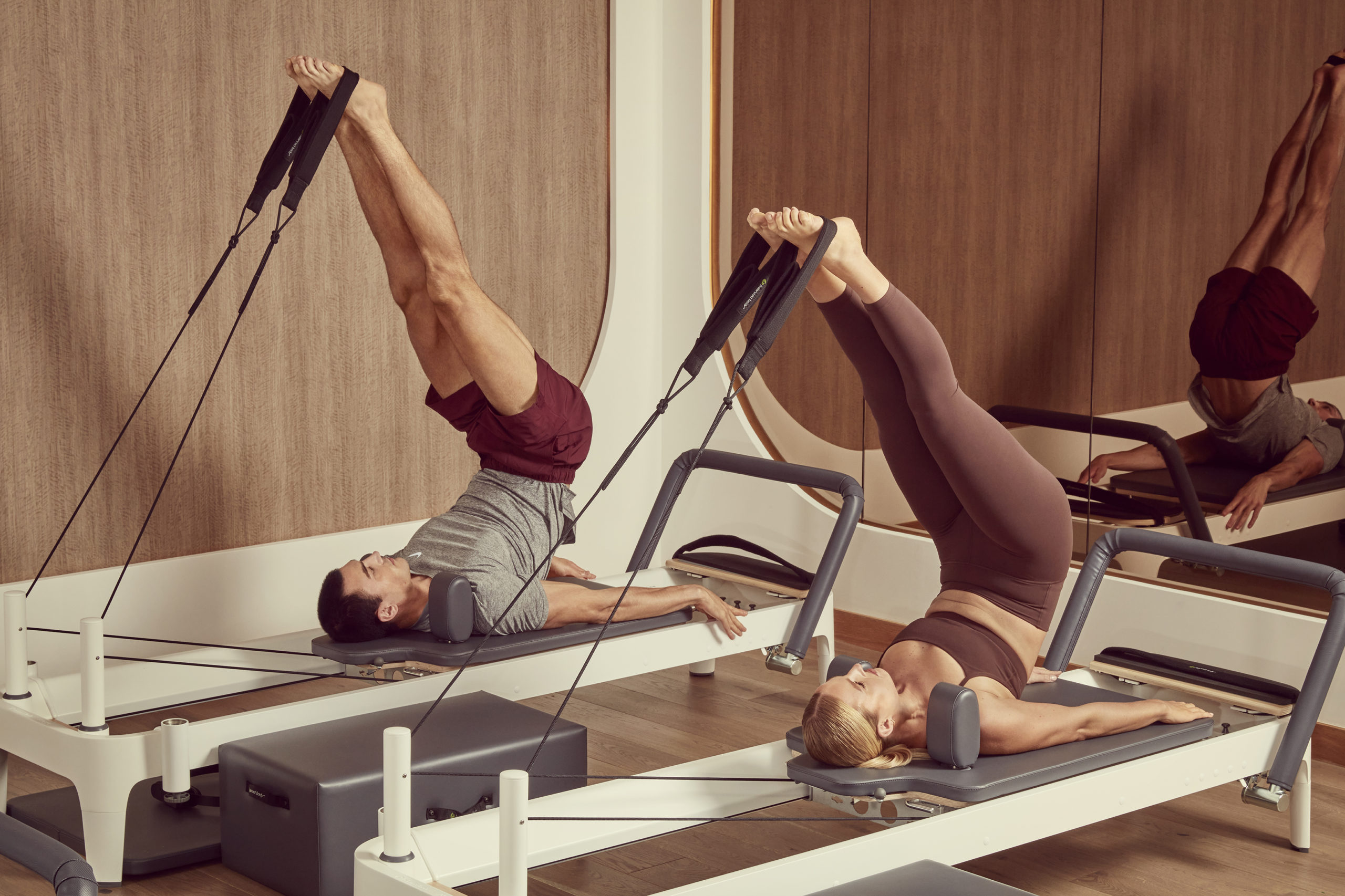
With my academic background in food engineering and personal interest in health and movement, I've come to see how intentional practices like pilates go far beyond physical activity. They teach discipline, concentration, and mental clarity all of which are necessary for both personal and professional growth.
Additionally, my experience and research have shown that pilates can have a positive effect on insulin resistance, a metabolic condition that affects millions but is often overlooked especially among young people. This combination of mental and metabolic benefits makes pilates a uniquely effective tool for self-development.
Reflective
To support this perspective, I examined sources based on three criteria for veracity: authority, lack of conflict of interest, and lack of bias.
Authority:
Rael Isacowitz, the founder of BASI Pilates and author of Pilates
Without conflict of interest:
A study published in the Journal of Sports Science & Medicine
Without bias:
Frontiers in Endocrinology published a peer-reviewed review on the role of exercise in metabolic health
Together, these sources confirm that pilates is not just a workout it's a multi-dimensional tool that benefits both mind and body.
Interpretive
Most students don’t think about insulin resistance but they should. Long hours of sitting, high stress, irregular meals, and processed food intake can gradually impair how our bodies process sugar. You don’t need to be diabetic to be affected. Fatigue, poor concentration, weight gain around the abdomen, and energy crashes after meals are often early signs of poor insulin regulation.
For students dealing with stress, sedentary routines, or trying to build healthier habits, Pilates provides a path that’s approachable, effective, and sustainable. You don’t need to run for hours or lift heavy weights. You just need a mat, a bit of floor space, and the willingness to connect with your body.
Practicing pilates regularly can help:
- Improve circulation and muscle glucose uptake
- Reduce abdominal fat (which is metabolically active and harmful)
- Lower cortisol levels, which influence insulin function
- Increase energy and concentration, improving productivity
- It’s not just about the body it’s about gaining control over your lifestyle in small, impactful ways.
Decisional
Pilates is not just a workout, it’s a strategy. For students and young professionals aiming to take control of their habits, mental clarity, and health, here’s how pilates can be integrated:
🌿 Start with Simple Routines
Begin with 10–15 minutes of basic pilates 3 times a week. Focus on breathing and core activation. Online platforms or beginner YouTube sessions are more than enough to start.
🧠 Pair Movement with Awareness
As you build physical routines, bring in mental clarity. Practice setting a daily intention before each session, or reflecting on how your body feels afterward. This strengthens mindfulness, which is a cornerstone of personal development.
🥦 Match Movement with Balanced Nutrition
For those managing insulin resistance, combine pilates with:
- A focus on complex carbohydrates (whole grains, legumes, vegetables)
- Lean proteins and healthy fats
- Regular, consistent meals to maintain blood sugar levels
- Avoidance of sugar spikes (refined sugars, sugary drinks, etc.)
📒 Track Progress
Keep a journal of your energy levels, focus, mood, and sleep patterns. Over time, you’ll likely notice shifts not only in your physical body but also in your mindset and habits.
Final Thoughts
Pilates has taught me that small, conscious actions compound into long-term transformation. Whether you're facing a health challenge like insulin resistance or simply seeking greater balance in your day, pilates offers a path grounded in presence, discipline, and healing.
By developing strength from your core physically and emotionally you’re also building the foundation for lifelong personal growth.
Bibliography
Human Kinetics. (2019). https://us.humankinetics.com/products/pilates-3rd-edition-epub
Cakmakçi et al. (2021). https://journalofsportsmedicine.org/abstract/537/eng
(2022). https://www.frontiersin.org/journals/physiology/articles/10.3389/fphys.2022.809669/full
Harvard Health Publishing (2020). “The Health Benefits of Pilates.
'https://www.health.harvard.edu/healthbeat/exercise-programs-that-improve-balance
Mayo Clinic (2023). “Low-Impact Exercises for Metabolic Health.” https://www.mayoclinic.org/diseases-conditions/metabolic-syndrome/diagnosis-treatment/drc-20351921
Human Kinetics. (2019). https://us.humankinetics.com/products/pilates-3rd-edition-epub
Cakmakçi et al. (2021). https://journalofsportsmedicine.org/abstract/537/eng
(2022). https://www.frontiersin.org/journals/physiology/articles/10.3389/fphys.2022.809669/full
Harvard Health Publishing (2020). “The Health Benefits of Pilates.
'https://www.health.harvard.edu/healthbeat/exercise-programs-that-improve-balance
Mayo Clinic (2023). “Low-Impact Exercises for Metabolic Health.” https://www.mayoclinic.org/diseases-conditions/metabolic-syndrome/diagnosis-treatment/drc-20351921
Yorumlar
Yorum Gönder